Why Start College Applications as a Freshman?
This blog explores the compelling reasons why high school freshmen should begin thinking about and preparing for the college application process. Starting early provides a significant advantage, allowing students to strategically build a strong academic record, explore their interests, develop essential skills, and ultimately, increase their chances of acceptance into their desired colleges. This proactive approach reduces stress during the later high school years and empowers students to make informed decisions about their future.
Building a Strong Foundation: Academics
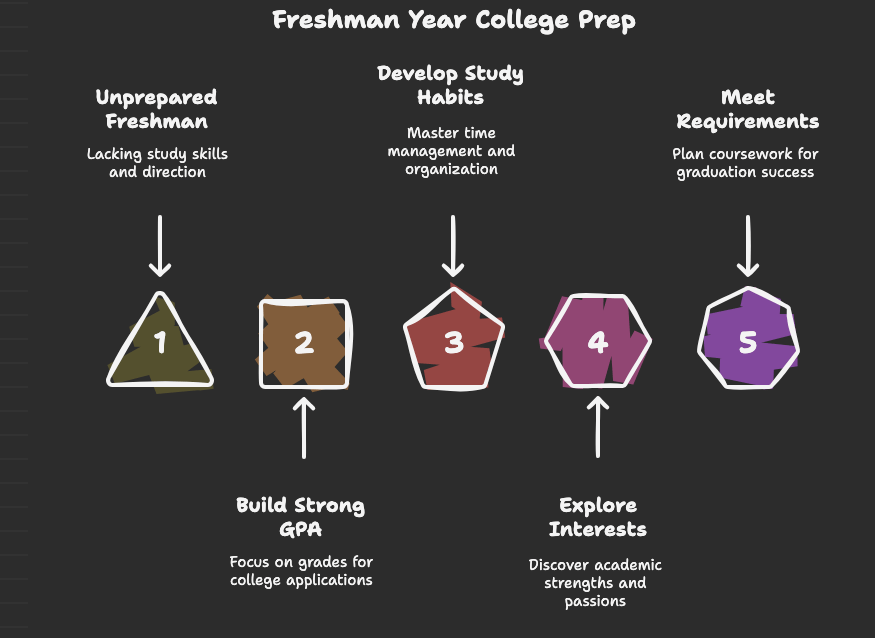
The most obvious reason to start thinking about college as a freshman is the impact your grades have on your GPA. Colleges look at your entire high school transcript, and those freshman year grades are just as important as those earned during your junior and senior years.
Cumulative GPA Matters: Colleges consider your cumulative GPA, which is an average of all your grades throughout high school. A strong start in freshman year sets a positive trajectory and provides a buffer if you encounter more challenging courses later on. Recovering from a poor freshman year can be difficult and stressful.
Establishing Good Study Habits: Freshman year is the perfect time to develop effective study habits, time management skills, and organizational strategies. These skills are crucial for success in high school and beyond, and starting early allows you to refine them before the academic workload intensifies.
Exploring Academic Interests: Use your freshman year to explore different subjects and identify your academic strengths and passions. This exploration can help you choose courses in later years that align with your interests and potential college majors. Consider taking introductory courses in subjects you're curious about, even if they're not required.
Meeting Graduation Requirements: Understanding your high school's graduation requirements early on allows you to plan your coursework strategically. This ensures you're on track to meet all requirements and have room to take elective courses that interest you.
Extracurricular Activities and Personal Growth
College applications aren't just about grades. They also consider your extracurricular activities, leadership experience, and personal qualities. Starting early allows you to explore different activities and develop your interests.
Exploring Interests and Passions: Freshman year is an excellent time to try out different clubs, sports, and activities. This exploration helps you discover your passions and identify areas where you can make a meaningful contribution.
Developing Leadership Skills: Joining clubs and organizations early on provides opportunities to develop leadership skills. You can start by volunteering, participating in group projects, and eventually taking on leadership roles as you gain experience.
Demonstrating Commitment: Colleges value students who demonstrate commitment to their extracurricular activities. Starting early allows you to build a consistent record of involvement, showing colleges that you're dedicated and passionate about your interests.
Building a Well-Rounded Profile: Participating in a variety of activities helps you develop a well-rounded profile, showcasing your diverse interests and skills. This makes you a more attractive candidate to colleges.
Planning and Preparation
The college application process can be overwhelming, but starting early allows you to break it down into manageable steps and avoid last-minute stress.
Researching Colleges: Begin researching colleges early to get a sense of the different types of institutions available, their academic programs, and their admission requirements. This research can help you narrow down your options and identify colleges that align with your interests and goals.
Understanding Admission Requirements: Familiarize yourself with the admission requirements of different colleges, including GPA, standardized test scores, and application deadlines. This knowledge allows you to plan your coursework and extracurricular activities accordingly.
Standardized Testing: While the importance of standardized tests is evolving, understanding the testing landscape early on can be beneficial. Research the SAT and ACT, and consider taking practice tests to assess your strengths and weaknesses.
Financial Planning: College is a significant investment, so it's important to start planning for the financial aspects early on. Research financial aid options, scholarships, and grants, and discuss your family's financial situation with your parents or guardians.
Visiting Colleges: If possible, visit college campuses to get a feel for the different environments and cultures. This can help you make a more informed decision about where you want to apply.
Developing Essential Skills
The college application process requires a variety of skills, including writing, communication, and critical thinking. Starting early allows you to develop these skills and improve your chances of success.
Writing Skills: College applications require strong writing skills, particularly for essays and personal statements. Use your freshman year to improve your writing skills through coursework, extracurricular activities, and personal writing projects.
Communication Skills: Effective communication is essential for college interviews and networking. Practice your communication skills through public speaking, group discussions, and presentations.
Critical Thinking Skills: Colleges value students who can think critically and solve problems. Develop your critical thinking skills through challenging coursework, debates, and research projects.
Time Management and Organization: The college application process requires excellent time management and organizational skills. Develop these skills by creating schedules, setting goals, and prioritizing tasks.
Reducing Stress and Anxiety
Starting the college application process early can significantly reduce stress and anxiety during your junior and senior years.
Avoiding Last-Minute Rush: By starting early, you can avoid the last-minute rush and pressure that many students experience during their senior year. This allows you to focus on your studies and enjoy your final year of high school.
Making Informed Decisions: Starting early gives you more time to research colleges, explore your interests, and make informed decisions about your future. This can reduce anxiety and uncertainty about the college application process.
Building Confidence: As you progress through the college application process, you'll gain confidence in your abilities and your potential. This confidence can help you perform better in your classes, extracurricular activities, and college interviews.
Conclusion
Starting the college application process as a freshman is a strategic and proactive approach that offers numerous benefits. It allows you to build a strong academic foundation, explore your interests, develop essential skills, and reduce stress during your later high school years. By taking these steps early on, you can increase your chances of acceptance into your desired colleges and set yourself up for success in college and beyond. It's not about overwhelming yourself, but rather about being mindful and intentional about your high school experience.